
CLEANSING GUIDE
Cleansing Oil Is Not for Everyone: A Better K-Beauty Cleansing Match
One of the most repeated community questions is whether cleansing oil really helps blackheads. Just as common are reports of closed comedones, eye irritation, or new bumps after oil cleansing. The important point is simple: a popular format is not automatically the right format for every skin type.
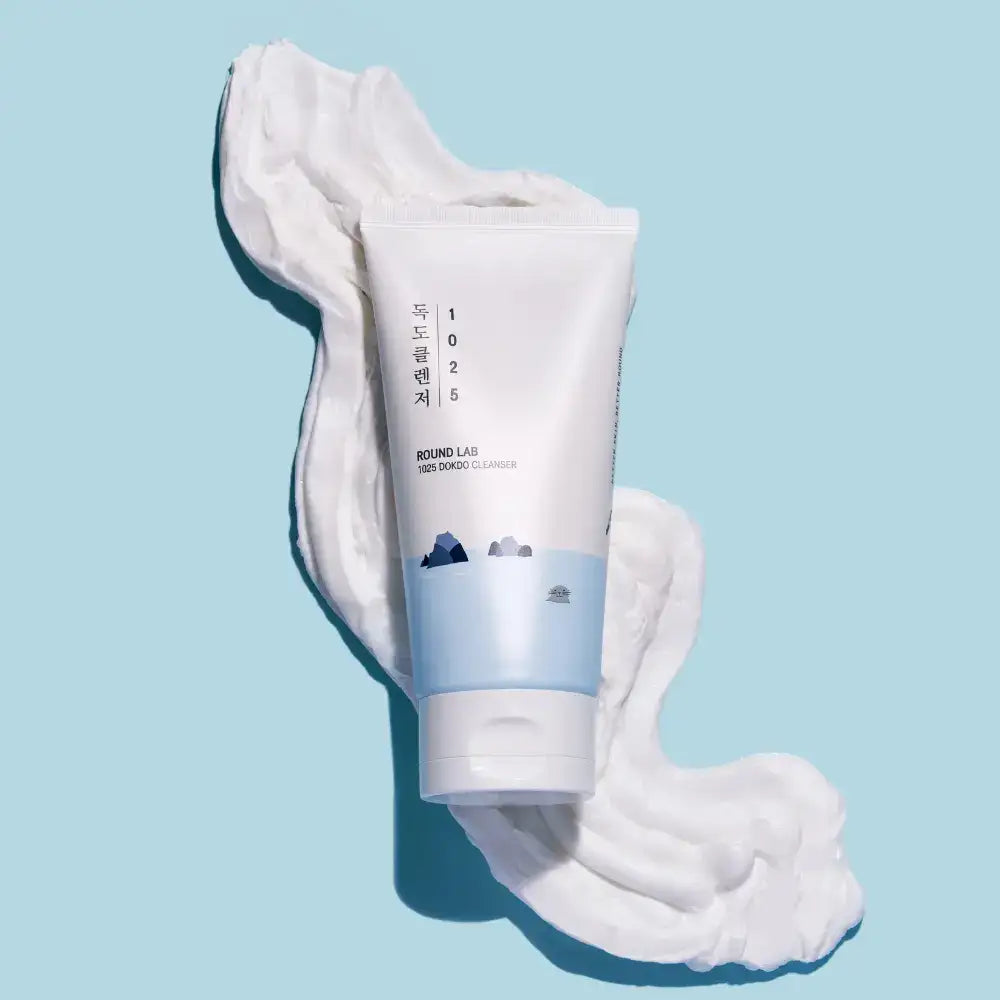
Pick it for: a creamy low-pH foam and less tightness.
Image: Round Lab official product page

Pick it for: excess sebum and pore-focused cleansing.
Image: Anua official product page
Choose by what you need to remove
- Heavy sunscreen or makeup: an oil or balm can dissolve water-resistant layers efficiently.
- Light sunscreen and sensitive skin: cleansing milk or micellar water may feel lower-friction.
- Morning or simple routine: a gentle gel or low-pH foam may be enough.
Product-family comparison
Round Lab 1025 Dokdo Cleanser and Anua Heartleaf Quercetinol Pore Deep Cleansing Foam are both rinse-off foaming cleansers. Round Lab is the comfort-first option; Anua is the pore-and-sebum-focused option. Because their job is the same, texture and post-wash feel become useful deciding factors.
If an oil cleanser causes trouble
- Use dry hands and a dry face unless the directions say otherwise.
- Add water and emulsify until the texture turns milky.
- Rinse thoroughly without long, aggressive massage.
- If bumps continue, stop. A micellar or milk cleanser is a valid alternative.
About blackheads
Oil cleansing can soften makeup and surface oil, but it is not a guaranteed blackhead treatment. Avoid promising instant pore removal. The better question is whether the cleanser removes the day's products while leaving skin comfortable enough to use consistently.
Tournament tip: first choose "what must come off," then choose the gentlest texture that can do that job.
Persistent acne or irritation deserves professional advice. Product experiences vary by skin and routine.